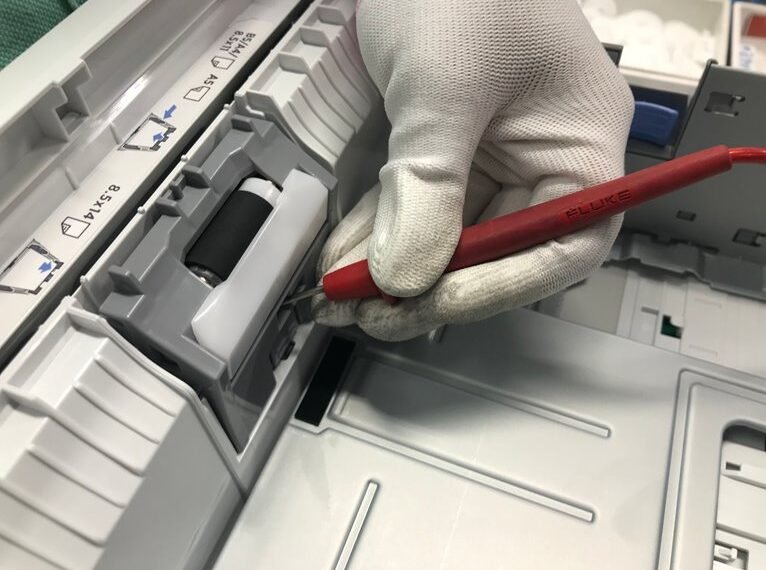
In everyday problems, start with a crisp problem statement and map likely causes. Use quick observation, targeted questions, and small tests to separate symptoms from assumptions. Prioritize fixes with high payoff and low cost, and assign clear owners with milestones. Document progress and confirm outcomes while preserving autonomy and minimizing disruption. With a methodical plan in place, a concise, actionable path emerges—one that hints at where to begin and what to watch for next. Such a path invites closer scrutiny of the next steps.
How to Diagnose Everyday Problems Quickly
Diagnosing everyday problems quickly starts with a systematic, time-efficient approach. The method separates symptoms from assumptions, enabling quick diagnostics through observation, questions, and minimal testing. Practitioners map likely causes, prioritize actions, and document findings.
Practical troubleshooting emerges from concise hypotheses, targeted checks, and rapid iteration. This disciplined process respects autonomy, minimizes disruption, and empowers individuals to resolve issues efficiently and with preserved freedom.
Practical Fixes That Save Time and Money
Practical fixes that save time and money build on the diagnostic approach by prioritizing actions with the highest payoff and lowest cost.
The emphasis is on small fixes that deliver clear results, enabling deliberate allocation of resources.
Smart Questions to Ask When Help Is Needed
When seeking help, asking targeted questions streamlines resolution and reduces back-and-forth.
The subsection highlights smart inquiries that yield outcome clarity.
It promotes helpful prompts and concise questions, guiding responders to provide actionable details.
Practitioners should frame requests with purpose, check for constraints, and confirm outcomes.
This approach honors autonomy, respects time, and fosters faster, reliable assistance without extraneous explanations.
Build a Simple Action Plan for Any Issue
A simple action plan helps organize any issue by outlining concrete steps, timelines, and responsibilities. The approach breaks tasks into clear phases, assigns owners, and sets measurable milestones. It avoids overreach and confusion, focusing on progress. Idea one emphasizes starting with a concise problem statement; idea two highlights reviewing progress regularly. This framework supports autonomy, accountability, and practical problem resolution.
Frequently Asked Questions
How Does This Relate to the Phone Number 518-649-9665?
The relation is straightforward: 518 649 9665 serves as a contact point. It signals relevance to everyday issues and demonstrates potential usefulness for timely support, aligning with the goal of accessible assistance and practical problem resolution.
Are There Safety Considerations for DIY Fixes at Home?
A hypothetical homeowner ignored safety protocols and suffered a minor electrocution, illustrating DIY risks. Safety considerations must guide projects; seek professional help when uncertain. Balancing risk, cost control with proper precautions ensures safer, independent living.
What if the Problem Recurs After a Fix?
If the problem recurs after a fix, the approach should emphasize reliable restoration and routine maintenance; reassess root cause, consider professional inspection if needed, document steps, and implement preventive measures to sustain freedom from repeated issues.
Can I Involve Professionals Without Escalating Costs?
Yes, professionals can be involved without escalating costs. The approach emphasizes inexpensive consultation and cost effective inspections, ensuring guidance remains practical. The detached observer notes that a measured, freedom-minded decision balances reliability with budget concerns.
Which Resources Validate the Advice Given?
Trustworthy sources and evidence-based guidelines validate the advice given. The user can rely on peer-reviewed research and institutional recommendations, which offer clear standards, consistent outcomes, and practical checks, supporting independent decision-making while preserving personal freedom.
Conclusion
In essence, the article champions a crisp, methodical approach: define the problem, hypothesize briefly, test cheaply, and iterate toward a fix that sticks. It emphasizes prioritizing high-impact, low-cost actions, assigning owners, and documenting results to sustain momentum. The process remains practical and repeatable, designed to minimize disruption while maximizing clarity. As a final nudge, imagine a 16th-century scribe chalking margins with a modern checklist—anachronistic flair that keeps readers engaged while staying relentlessly solution-focused.