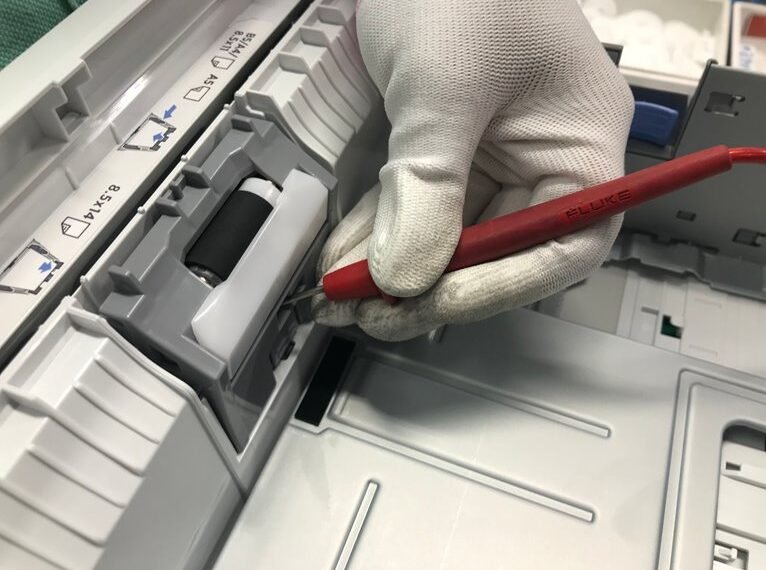
What is 3106677534, and why might it feel off? The section opens with a calm, methodical lens that treats the issue as a testable signal, not a guess. It notes the value of quick sanity checks and objective data, then it structures steps to gather context and reproducible evidence. The tone remains precise and evidence-driven, offering a path forward without speculation, and hints at gaps that require careful analysis before proceeding to deeper investigation. The next step awaits.
What Is 3106677534, and Why It Feels Off
What is 3106677534, and why does it feel off?
3106677534 refers to a numeric cue used to identify anomalies or irregularities in a system, process, or dataset.
The approach is precise, evidence-based, and practical, encouraging quick sanity checks, gather context, and step by step troubleshooting with practical tools to determine root causes and inform corrective action.
Quick Sanity Checks to Confirm There’s a Real Issue
Quick sanity checks are quick, disciplined steps used to determine whether a labeled issue reflects a real problem or a false signal. The approach emphasizes objective evidence, controlled testing, and documentation. In practice, it includes basic replication, baseline comparison, and latency analysis to identify anomalies. Disaster prevention considerations guide threshold judgments, while results inform proportional responses and ongoing monitoring for sustained reliability.
Gather Context: What Happened Before and After
In this phase, the analyst collects a concise, time-stamped sequence of events surrounding the issue, emphasizing observable states and user-reported conditions prior to onset as well as any subsequent changes. The approach centers on documenting context, noting environment, actions, and outcomes while avoiding speculation.
Analyzing patterns and verifying assumptions guide interpretation, ensuring evidence-based conclusions and transparent reasoning.
Step-by-Step Troubleshooting With Practical Tools
Step-by-step troubleshooting begins with a structured, evidence-based approach that translates observed symptoms into testable hypotheses and documented actions. The methodical process emphasizes reproducible steps, controlled variables, and transparent reasoning. Practitioners focus on problem solving through disciplined observations, tool selection, and objective measurements, enabling clear evidence to support decisions. This approach preserves freedom while ensuring rigorous, verifiable conclusions and scalable remediation.
Frequently Asked Questions
Could 3106677534 Be a False Positive From a Sensor?
Yes, 3106677534 could reflect false positives from sensor noise, affecting signal integrity and triggering false alarms; thorough evaluation considers noise sources, calibration, and cross-checks to determine whether the anomaly is genuine or an artifact.
What Are Common False Alarms for 3106677534?
“Like a compass jagged by wind,” the report notes common false alarms for 3106677534 include sensor noise, calibration drift, environmental interference, and software glitches; reliability concerns arise, and emphasized user training mitigates these risks through disciplined processes.
How Often Should I Retest After a Fix for 3106677534?
Retrospective_testing suggests retesting at intervals defined by prior drift, typically after verification and calibration. After a fix, he should schedule repeated checks over several cycles; sensor failure discussion supports continuous validation, not infrequent, ad-hoc testing.
Does 3106677534 Indicate a Broader System Issue?
Yes, 3106677534 could reflect a broader system issue; preliminary system diagnostics and data integrity checks are prudent to determine scope and impact, guiding targeted investigations rather than assumptions. The evidence-based approach emphasizes cautious, measured conclusions.
Are There Privacy Concerns With Data Collected by 3106677534?
Privacy concerns exist with data collection by 3106677534, though specifics depend on implementation and jurisdiction. The assessment is methodical, evidence-based, and aims to inform readers who seek freedom while emphasizing transparency, consent, minimization, and robust data governance.
Conclusion
In the quiet engine room of perception, a needle tips toward a storm. The baseline is a lighthouse; the anomaly, a foghorn. Data drifts like smoke, but the chart remains legible: verify, quantify, repeat. Each signal is a key, each test a door. When symptoms align with traces, confidence steadies—when they diverge, curiosity sharpens. The conclusion, a repaired compass: trust the measured evidence, scrub the illusion with controlled steps, and let reproducible results steer the course back to clarity.