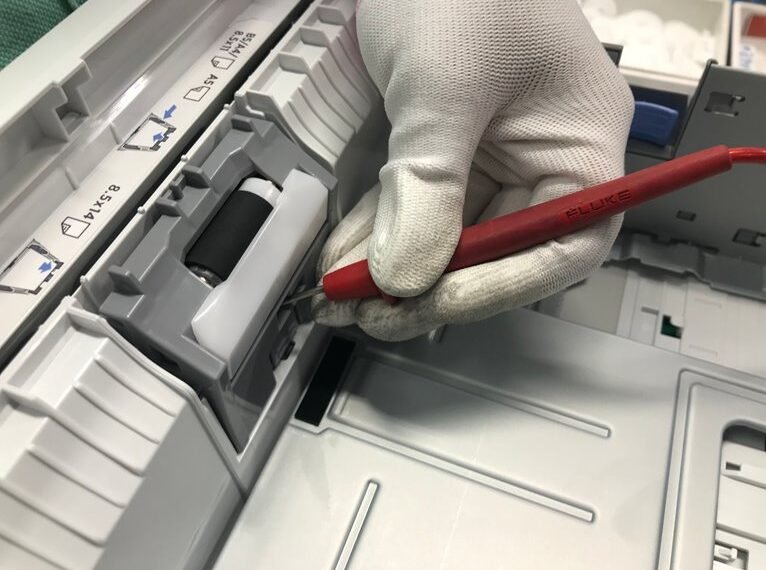
The guide urges a systematic check before a common repair around 5402744331. It emphasizes verifying the true root cause with objective data, not assumptions. It outlines gathering a concise tools list and compatible fasteners, assessing sourcing quality and substitutions, and documenting procurement steps and budget. It also covers warranty, safety hazards, and manufacturer guidance to gauge fix viability. A structured viability assessment then guides the choice between DIY or professional help, leaving a careful pause for what comes next.
What Is the Root Cause to Verify First?
Determining the root cause to verify first involves targeted diagnostics that distinguish symptom from underlying failure. The analysis focuses on observable data, historical context, and functional patterns, excluding speculation.
Root cause identification relies on verification steps that confirm causality rather than correlation, guiding subsequent fixes. This methodical approach emphasizes clarity, reproducibility, and deliberate testing to prevent misdiagnosis and future regressions.
How to Gather the Right Tools and Materials
Before beginning any common fix, gathering the appropriate tools and materials ensures a controlled, repeatable process and reduces unnecessary risk.
The analysis identifies essential equipment: a concise tools list, compatible fasteners, and relevant consumables.
Emphasize planning over impulse.
Assess material sourcing for quality, availability, and substitutions.
Document procurement steps, budget implications, and storage considerations to maintain readiness and minimize disruption during execution.
How to Check Warranties, Safety, and Fixes Viability
Assessing warranties, safety considerations, and the viability of fixes follows directly from having organized the requisite tools and materials.
The analysis evaluates warranty verification, ensuring claim validity and coverage limits, then conducts a safety assessment to identify hazards and compliance.
Methodical assessment determines fix viability by comparing manufacturer guidance, component integrity, and anticipated risks, enabling informed, controlled decision-making.
Freedom-oriented clarity prevails.
How to Decide DIY vs. Professional Help, Step by Step
When faced with a repair decision, a structured approach helps distinguish DIY feasibility from the need for professional assistance. The method assesses skill, tools, and time against risk and cost, then compares outcomes. It accounts for unrelated considerations and jurisdictional constraints, ensuring steps align with local rules and safety standards while preserving autonomy and minimizing unnecessary dependence on external services.
Frequently Asked Questions
What Symptoms Indicate the Issue Is Resolved After a Fix?
The symptoms indicate successful resolution when performance returns to baseline, errors cease, stability is maintained, and no new issues appear during testing. After fix, the system exhibits consistent operation and expected outputs, with no intermittent faults or warnings.
How Long Should a Temporary Fix Be Expected to Last?
Temporary fixes last unpredictably; lasting expectations vary by context, conditions, and maintenance. Ironically, durability isn’t guaranteed, so analysis proceeds: how long temporary, lasting expectations depend on usage, environment, and corrective action quality, with ongoing monitoring guiding eventual permanent resolution.
Can Non-Original Parts Affect Safety or Performance?
Yes. Non original parts can affect safety and performance; their reliability varies, potentially increasing risk. A methodical assessment of fit, compatibility, and load limits is essential to evaluate any safety impact before use.
What Environmental Factors Could Mimic the Problem?
Environmental factors could mimic problems, including temperature shifts, humidity, voltage fluctuations, dust, and vibration; they create false signals, complicate diagnostics, and tempt short term fixes, yet ignore safety implications, requiring systematic testing, verification, and comprehensive corrective actions.
Which Indicators Require Immediate Professional Intervention?
Which indicators require immediate intervention include safety concerns and potential hazards; professional assessment is advised when signs escalate. Immediate intervention should be pursued for critical symptoms, ensuring safety, while documenting observations for the evaluation and risk assessment.
Conclusion
A concise, analytical conclusion in third-person detached voice:
In closing, the investigation around 5402744331 prioritizes objective diagnostics over assumptions, confirming root causes with observable data and history. A concise tools list, vetted materials, and clear procurement steps anchor the process, while warranty and safety checks set boundaries for action. A viability assessment then guides whether DIY is appropriate or professional intervention is needed, reducing risk. Example: a homeowner successfully diagnosed a misaligned component, sourced compliant fasteners, and avoided costly service call by applying a documented fix.