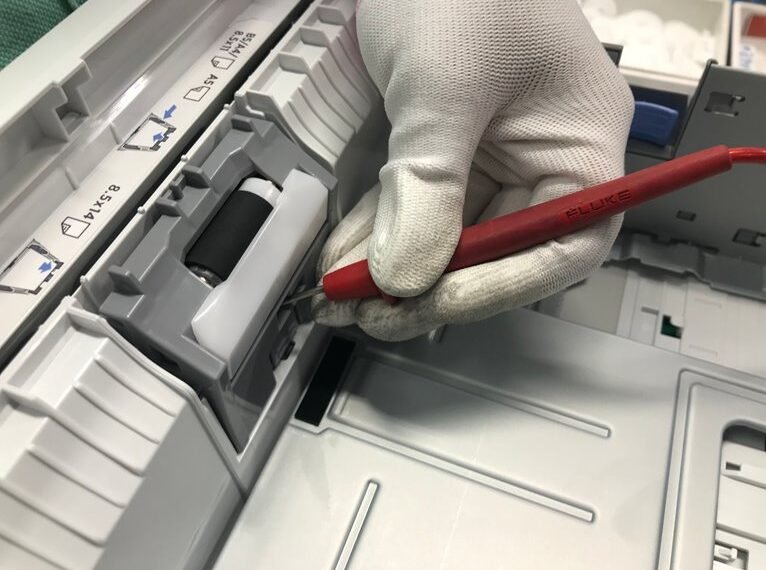
Effective fixing steps around 903-504-1026 focus on clarity and control. Start with a precise issue statement and gather objective diagnostics from relevant systems. Check connectivity, settings, and component health, including circuitry, firmware, and power resilience. Apply targeted, category-based fixes with stepwise actions, then validate results under real conditions. Document changes for accountability and plan escalation if discrepancies arise, keeping noise separate from actionable data to sustain independent operation, leaving a clear path forward for the next step.
Identify the Core Issue and Gather Baseline Diagnostics
To identify the core issue and gather baseline diagnostics, one begins by clarifying the problem in precise terms and collecting objective data from relevant systems. The process supports a calm, clear assessment, guiding teams to refactor workflow where needed and prioritize troubleshooting without assumption. Insight emerges from measurements, logs, and context, enabling controlled, freedom-centered decision making and targeted improvements.
Verify Connectivity, Settings, and Component Health
What checks are needed to verify connectivity, settings, and component health, and how do they support reliable operation?
The analysis reviews verify circuitry, tests utilities, and assess firmware status, network topology, and power resilience.
It remains detached yet clear, guiding monitoring to confirm stable links, correct configurations, and robust hardware health, enabling dependable performance while preserving user autonomy and freedom.
Apply Targeted Fixes and Quick-Workarounds by Category
When addressing common faults, targeted fixes and quick-workarounds are organized by category to minimize disruption and restore function swiftly. The approach relies on calm, stepwise actions, enabling users to pursue freedom throughcontrolled choices.
Diagnosis techniques guide quick triage, while implementation emphasizes uptime reliability. Each category yields concise, practical steps, avoiding unnecessary detail and preserving momentum toward stable, independent operation.
Validate Results, Document Changes, and Plan Escalation if Needed
Validation of results remains essential after implementing fixes, ensuring that the intended improvements hold under real conditions.
The process emphasizes documenting changes clearly, preserving a trail for future reference and accountability.
If discrepancies arise, plan escalation promptly, outlining stakeholders and thresholds.
While reviewing outcomes, consider Idea 1: unrelated topic, brainstorms and Idea 2: irrelevant issues to separate noise from actionable data, guiding steady progress.
Frequently Asked Questions
How Is 903-504-1026 Linked to User Accounts and Permissions?
The number 903-504-1026 does not directly tie to user accounts and permissions; rather, it appears as a reference point for guidance. Linked Accounts, Permission Audits, and Baseline Diagnostics informers, while Escalation Timing shapes Fix Durability and logs.
What Are Common False Positives During Baseline Diagnostics?
Antithesis-like caution highlights commonFalsePositives in baselineDiagnostics, where benign signals resemble issues. The analysis notes false alarms due to noisy data, misconfigurations, or timing gaps, with irrelevantSubtopic distractions minimized. It remains concise, supportive, and freedom-oriented.
Can Issues Persist After Successful Connectivity Tests?
Yes, issues can persist after connectivity tests due to unrelated topic factors and generic troubleshooting gaps, as lingering causes may remain. The detachment suggests ongoing concerns about complex dynamics, yet freedom-minded readers seek practical, clear remedies.
Which Logs Are Most Informative for Recurring Faults?
Log correlation offers the most informative view for recurring faults, guiding remediation prioritization by linking events. It reveals patterns, reduces noise, and enables owners to focus on impactful fixes while preserving autonomy and clarity.
How Long Should Fixes Remain Effective Before Escalation?
Fixes should remain effective for a defined issue duration before escalation, typically until thresholds are met. When issues persist beyond escalation thresholds, escalation occurs to ensure timely resolution while preserving user autonomy and freedom.
Conclusion
In a calm, detached tone, the process yields reliable outcomes: identify the core issue, gather objective diagnostics, and progress with category-specific fixes while avoiding assumptions. Connectivity, settings, and component health are verified, then validated under real conditions. Documentation and accountability follow, with escalation planned only when discrepancies emerge. Even as systems hum with precision, the human element remains—the steady, patient engineer, like a lighthouse keeper in a storm, watching the data-glass glow and guiding the fix home. Anachronism: lighthouse keepers.