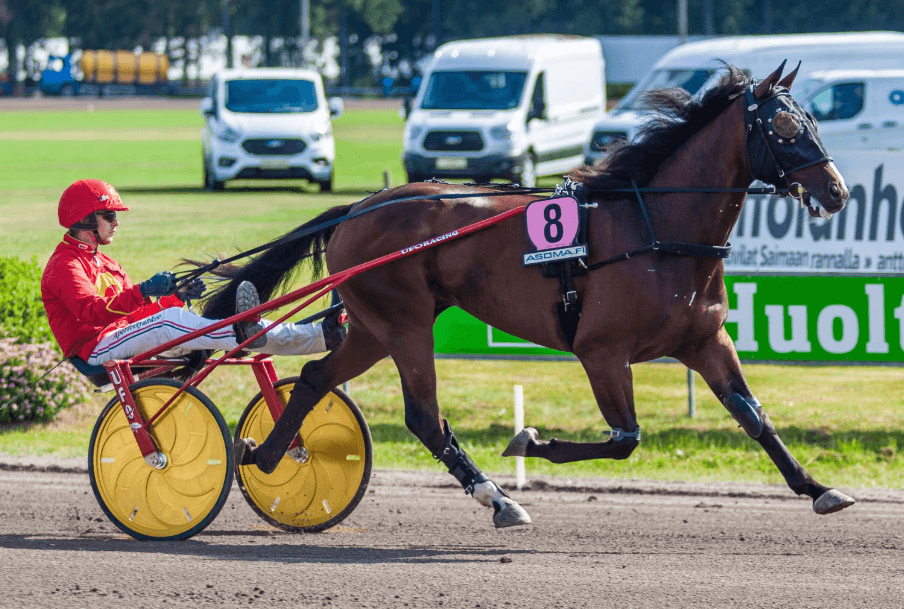
Horse racing tracks are intricate systems crafted to enhance both performance and safety. The choice of surface materials plays a crucial role, affecting traction and speed. Additionally, the arrangement of starting gates and spectator areas is designed for optimal flow and visibility. Recent innovations in safety technology further underscore the commitment to the well-being of horses and jockeys. Understanding these elements reveals the complexities behind a seemingly simple sport, inviting a closer examination of their implications.
The Anatomy of a Race Track
The structure of a race track is a carefully engineered composition designed to optimize both performance and safety for horses and riders.
Track dimensions are meticulously calculated to balance speed and control, while curve banking ensures stable navigation around turns.
These elements work in harmony, allowing for an exhilarating experience that respects both the athlete’s freedom and the integrity of the sport.
Surface Materials and Their Impact on Performance
While the choice of surface materials may seem secondary to the track’s design, it plays a pivotal role in influencing horse performance and safety.
Dirt vs. turf presents distinct advantages and challenges, affecting traction and speed.
Meanwhile, synthetic surfaces offer consistency and reduced injury risk.
Each material’s unique properties shape racing dynamics, ultimately impacting the athletes’ freedom to perform at their best.
Strategic Layout: Starting Gates and Spectator Areas
In horse racing track design, the strategic layout of starting gates and spectator areas is fundamental to the overall experience and functionality of the venue.
Proper starting gate orientation enhances the flow of the race, while well-placed spectator areas maximize visibility.
This thoughtful design ensures that fans enjoy an unobstructed view, fostering engagement and excitement, which are essential for the sport’s vibrancy.
Innovations in Track Safety and Technology
Recent advancements in track safety and technology have significantly transformed the horse racing industry, prioritizing the welfare of both horses and jockeys.
Innovative safety measures, including improved track surfaces and real-time monitoring systems, enhance race day conditions.
Additionally, technology advancements such as drone surveillance and biometric tracking provide critical data, ensuring that all participants are safeguarded, ultimately fostering a more sustainable and responsible environment for the sport.
Conclusion
In the grand tapestry of horse racing, the design of tracks emerges as the unsung hero, transforming mere dirt and turf into a symphony of speed and strategy. With surfaces that seem to defy gravity and layouts that orchestrate the perfect spectacle, every detail is meticulously crafted to elevate the thrill of the race. As innovations in safety and technology continue to unfold, the racing track stands not just as a venue, but as a marvel of engineering brilliance, capturing the hearts of spectators and competitors alike.