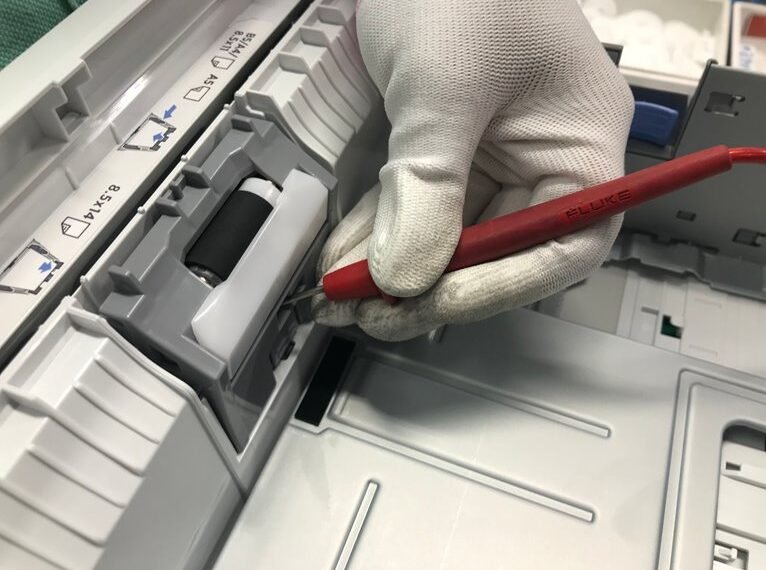
When problems affect normal use of 440-280-1985, start with calm, methodical observation. Document changes, note misfires, delays, resets, or data gaps. Verify settings, connectivity, and core functions to rule out obvious causes. Reproduce the issue under controlled conditions and track patterns. Isolate potential causes, apply safe fixes, and recheck results. If problems persist, prepare clear diagnostics and timelines before seeking external help, so a practical path remains visible for the next step.
What Problems Are You Noticing With 440-280-1985?
What problems are typically noticed with 440-280-1985?
Observations show occasional misfires, delayed responses, or unexpected resets, each demanding careful evaluation.
The report emphasizes missing context and relevant data gaps, avoiding irrelevant topics that derail understanding.
A measured, patient approach highlights symptom patterns, reproducibility, and environmental factors, guiding disciplined verification rather than hurried conclusions.
Freedom comes through clear, precise documentation and focused assessment.
Quick Checks to Rule Out Common Causes
Quick, systematic checks help exclude common culprits before deeper investigation. The approach remains calm and factual, guiding readers through brief, verifiable steps. This phase emphasizes quick checks to identify obvious mismatches or misconfigurations, not deep repairs. Each item targets a likely root, clarifying whether issues stem from settings, connectivity, or basic functionality, aligning with the desire for freedom through clarity.
Step-By-Step Fixes You Can Try Yourself
When problems affect normal use, a structured, do-it-yourself approach helps identify practical remedies without unnecessary delay. The guide outlines step-by-step actions to discuss troubleshooting ideas and systematically assess impact. Begin by documenting symptoms, then test variables, isolate potential causes, apply safe fixes, and recheck results. This deliberate sequence fosters clarity, reduces risk, and preserves user autonomy while seeking reliable improvements.
How to Know When It’s Time to Call in Help
Determining when to seek outside assistance is a crucial, methodical step in troubleshooting. When problems persist beyond personal checks, escalation is warranted. Indicators include repeated failures, unresolved identity verification issues, or billing concerns that block use. If self-guided fixes stall, and consequences outweigh effort, contact support. Request clear diagnostics, documented history, and expected timelines to ensure a calm, deliberate process.
Frequently Asked Questions
Can 440-280-1985 Be Used Internationally?
The device’s international compatibility depends on regional availability and network bands; compatibility varies by country. Users should verify carrier support and SIM options. In general, regional availability influences international use, with compatibility contingent on supported frequencies.
Is There a Warranty for 440-280-1985?
The warranty options exist, but specifics vary by region and seller. It is noted that international compatibility may not be included universally. Averages show limited coverage unless extended plans are purchased; verify terms with the retailer before proceeding.
Do I Need Special Tools for Repairs?
Yes, specialized tools are often required; standard household items may not suffice. The guidance suggests using specialized tools and repair kits, proceeding methodically, patiently, and with a mindset of careful, autonomous maintenance for effective results.
How Long Does Typical Downtime Take?
Downtime duration varies by issue, but timeline expectations range from hours to a few days, depending on complexity and resources. The timeline expectations emphasize structured progress, while downtime impact is minimized through phased updates and transparent communication.
Can I Recover Data After Issues?
A data recovery is possible with disciplined steps. Like a careful mason at dawn, the process unfolds methodically. Using repair tools, one preserves integrity, assessing risks, then restores accessible files while documenting actions for future resilience.
Conclusion
In calm, measured steps, the reader gathers clues, filtering noise from signal. Problems are mapped like a quiet map: symptoms noted, checks performed, fixes tested. When patterns align and simple cures fail, the path widens to professional help. Until then, each action is a rung on a steady ladder—document, reproduce, isolate, recheck. The result is clarity rising from distraction, a patient cadence that turns confusion into a solvable sequence, one deliberate detail at a time.